

If you have any query, please feel free to contact us.
Hien Electric Industries, Ltd. does not rent, sell, or share your personal information with other people or non-affiliated companies except to provide products or services you've requested.


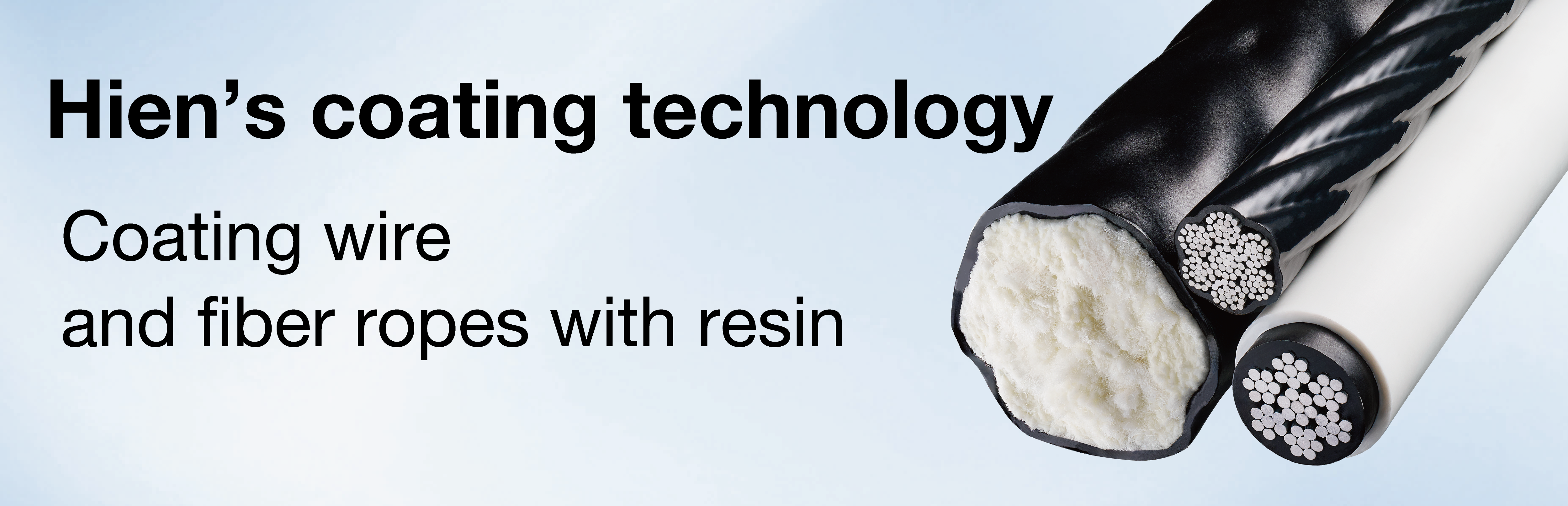
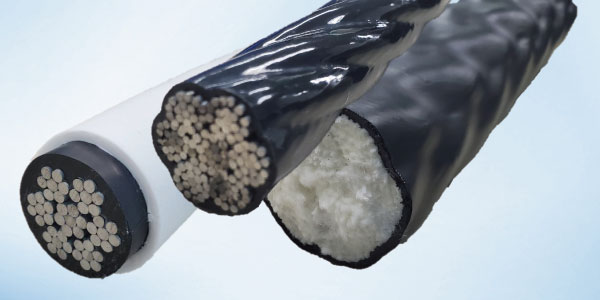
Applying various types of specialized resins to customer-provided wires and fiber ropes adds several significant values to their products.
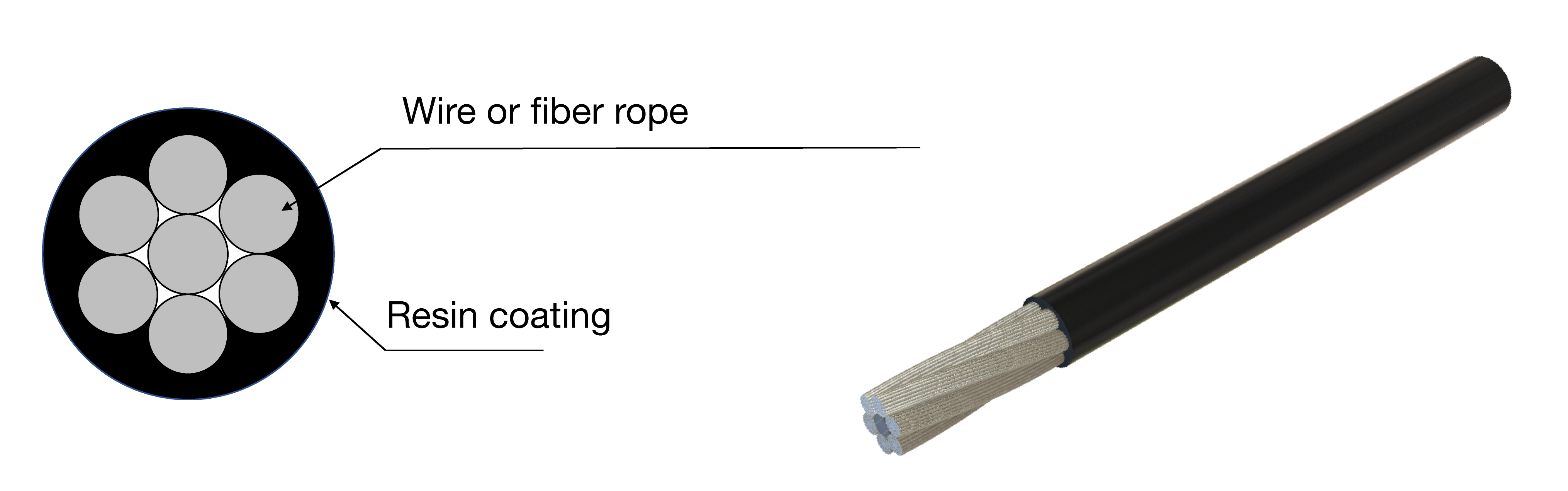
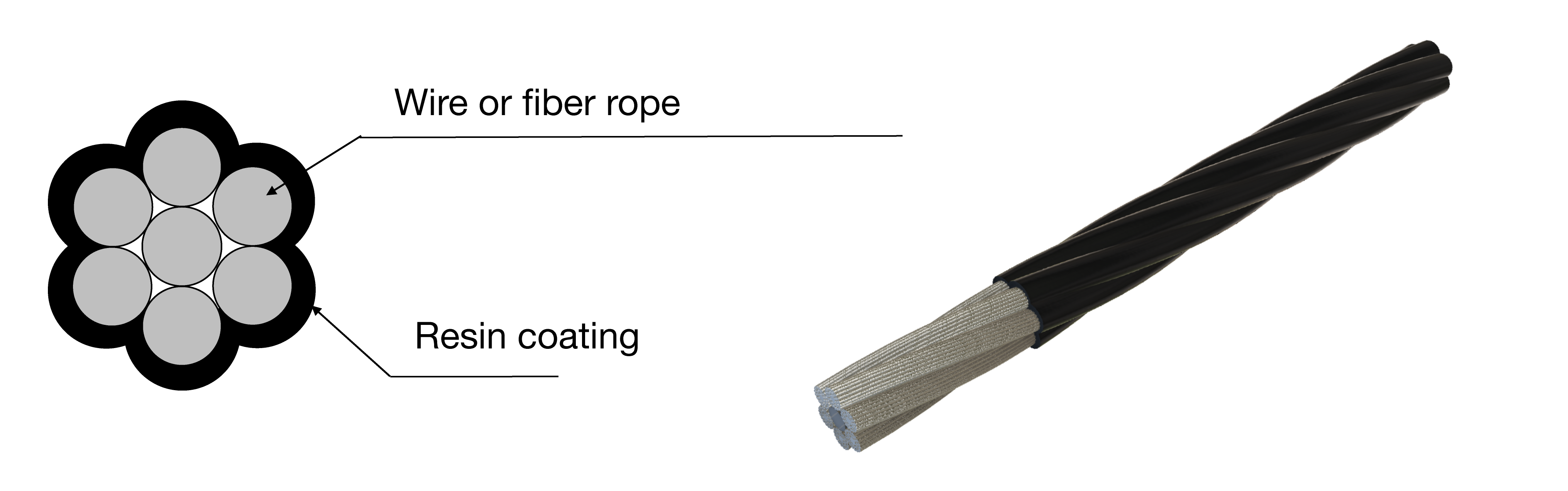
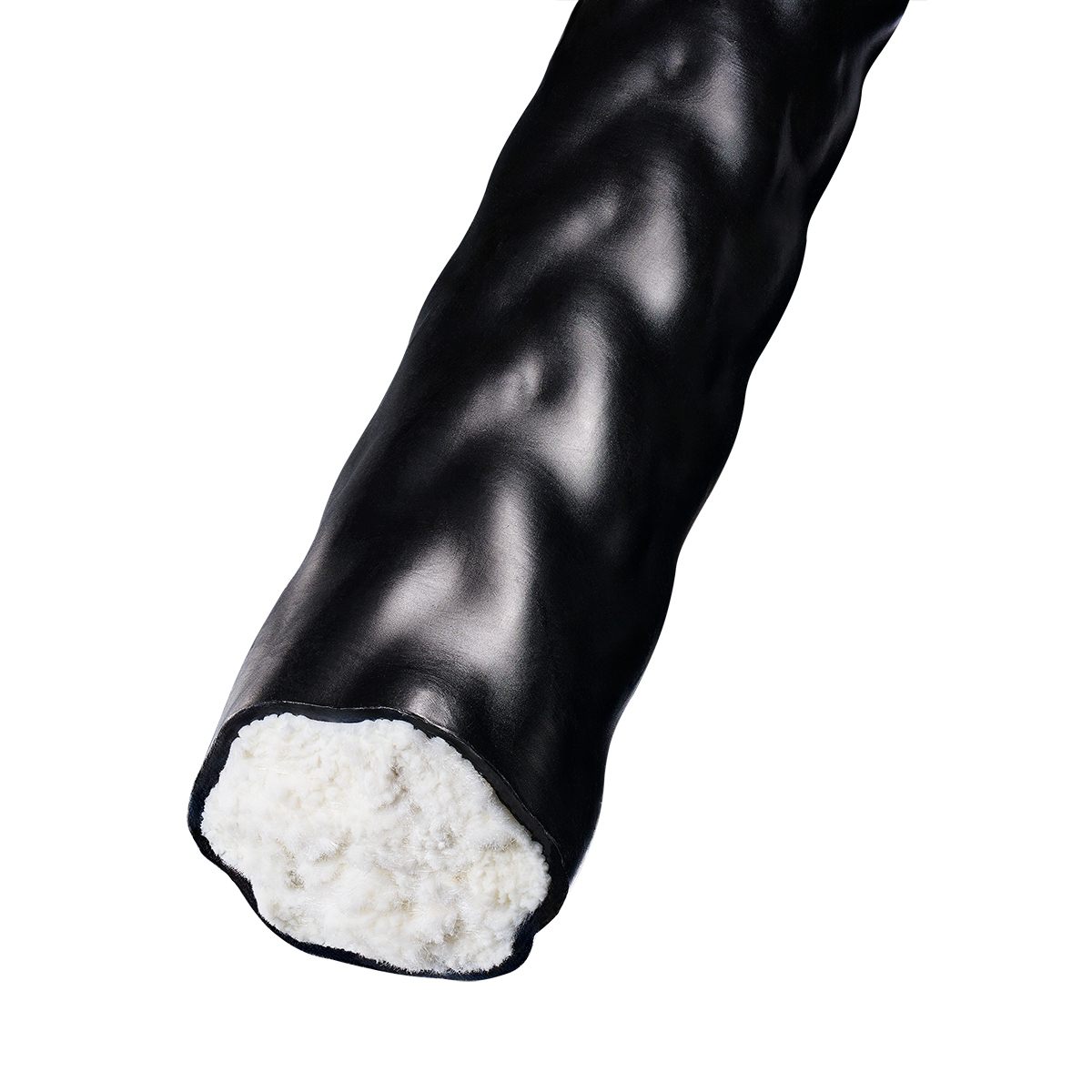
Passing through extrusion coating machines, wire and fiber ropes are coated with various types of resins. There are two extrusion methods: the pressure method (full extrusion) and the tubing method (tubing extrusion).
Pressure method (full extrusion): Completed ropes are cylindrical.
Tubing method (tubing extrusion): Completed ropes are spiral-shaped (same as pre-coating ropes)
| Type of resin | Specific gravity | Melting point | Characteristics | Reference image |
|---|---|---|---|---|
| Polyvinyl chloride (PVC) | 1.16~1.35 | 85~210℃ | PVC is a thermoplastic resin with a heat-resistant temperature of 60 to 80 degrees Celsius in normal use. Superbly water and weather resistant, it offers beautiful finishes with glossy surfaces. It is resistant to acids, alkalis, and oil. Although its heat-resistant temperature is slightly low, some types are excellent in low-temperature properties. |  |
| Low-density polyethylene (LDPE) | 0.91~0.925 | 98~115℃ | LDPE has a heat-resistant temperature of 70 to 90 degrees Celsius in normal use. It excels in acid-, alkali-, and water-resistant as well as electrical insulation properties, among others. When used for coating work outdoors, it requires stabilizers and other agents to protect itself from UV rays. Applying stabilizers and other agents can also enhance its weather-resistance. | 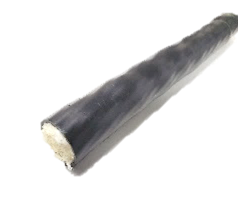 |
| High-density polyethylene (HDPE) | 0.941~0.97 | 130~137℃ | HDPE has a heat-resistant temperature of 90 to 110 degrees Celsius in normal use. As with LDPE, it is excellent resistance to chemicals—e.g., acids and alkalis—and provides electrical insulation. Compared to LDPE, however, it enjoys higher heat resistance and rigidity. Like LDPE, it also needs stabilizers and other agents for UV protection. Stabilizers and other agents can make it more weather resistant. | 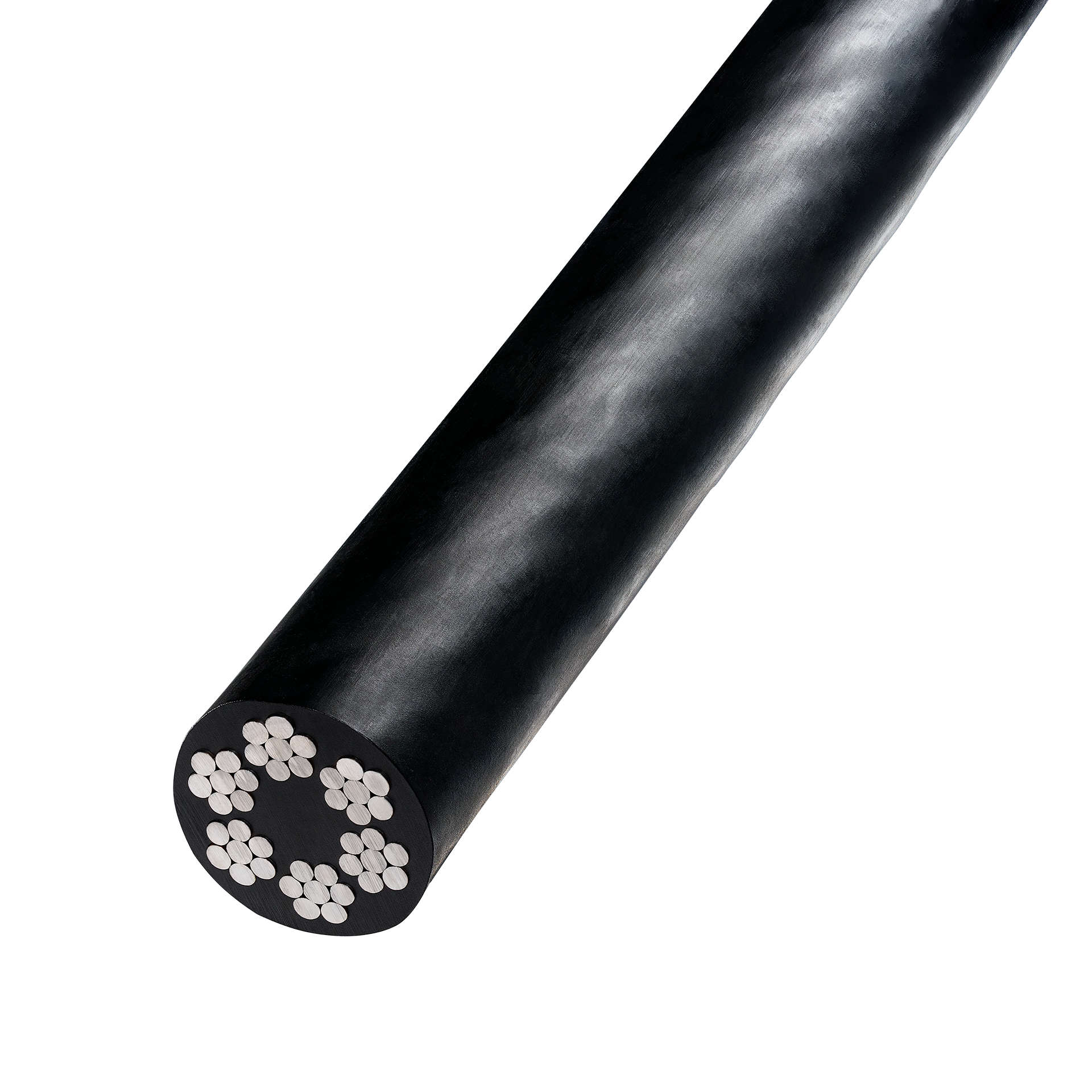 |
| Polypropylene (PP) | 0.90~0.91 | 165~170℃ | PP has a heat-resistant temperature of 100 to 140 degrees Celsius in normal use. With a smaller specific gravity than any other general-purpose plastic, it boasts high mechanical strength. It offers high glossy surfaces. Using stabilizers and other agents for UV projection can upgrade its weather-resistant properties. | 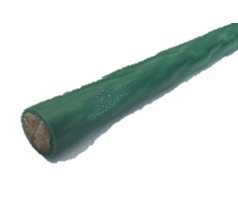 |
| Polyamide 12 (PA12) | 1.02 | 176℃ | PA12 has the lowest density among polyamides. Superior than other resins in cold-temperature impact resistance, it is suitable for applications in cold climates. When used in outdoor coating work, stabilizers and other agents are needed for UV protection, which can also reinforce its weather resistance. | 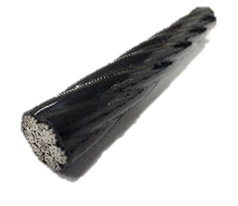 |
| Polyurethane (PU) | 1.2 | 90~130℃ | PU is a thermoplastic resin with a heat-resistant temperature of 90 to 130 degrees Celsius. While highly flexible and resilient, it boasts high low-temperature properties and has superior abrasion, shock, and oil-resistance. | 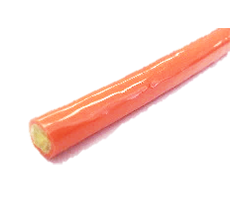 |
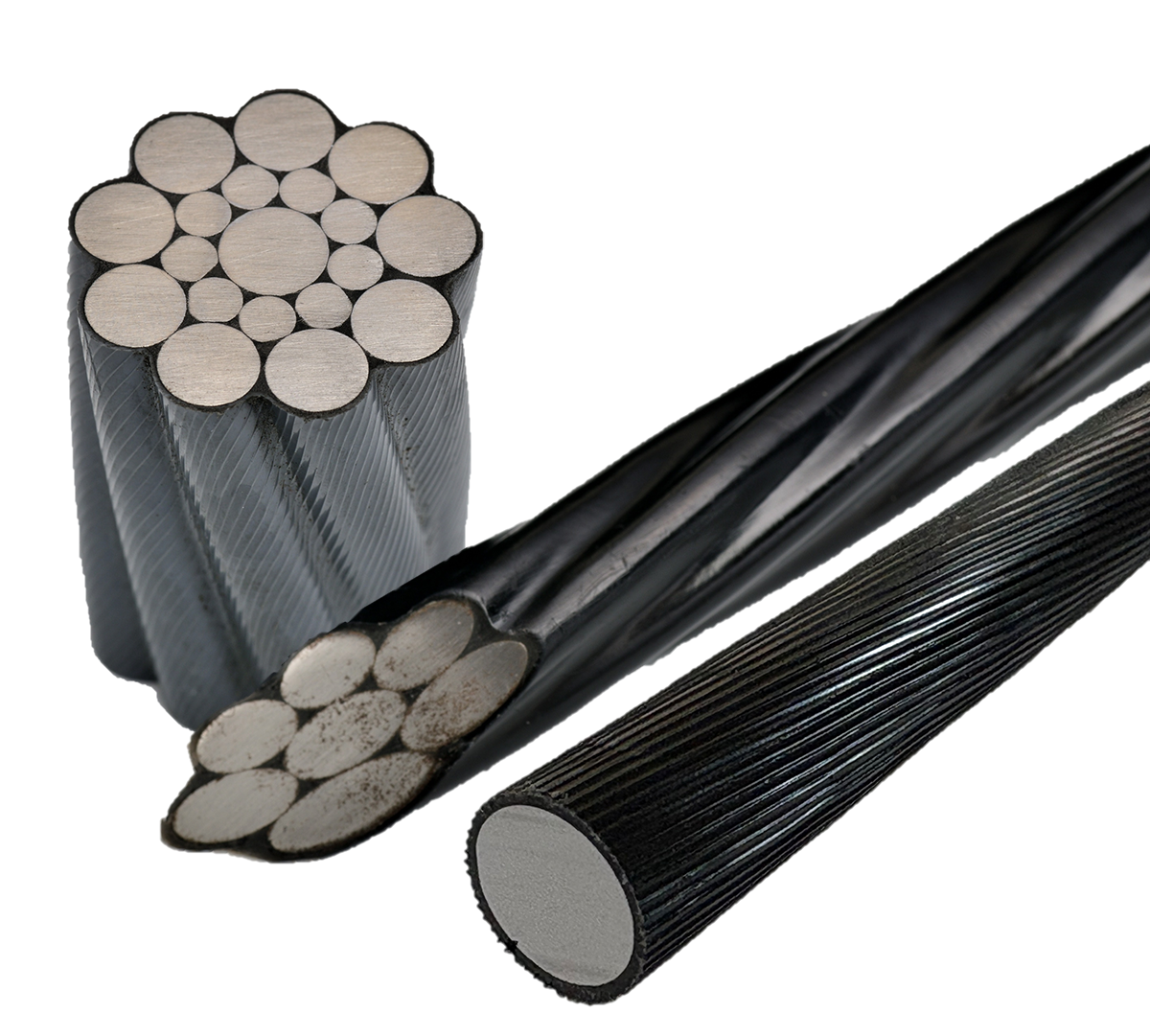
Resins are fully adhered to the surfaces of prestressing steel wires and PC strands.
When resin-coated ropes are covered with galvanized steel wires and then given another layer of resin coating, their protection against damage is increased.
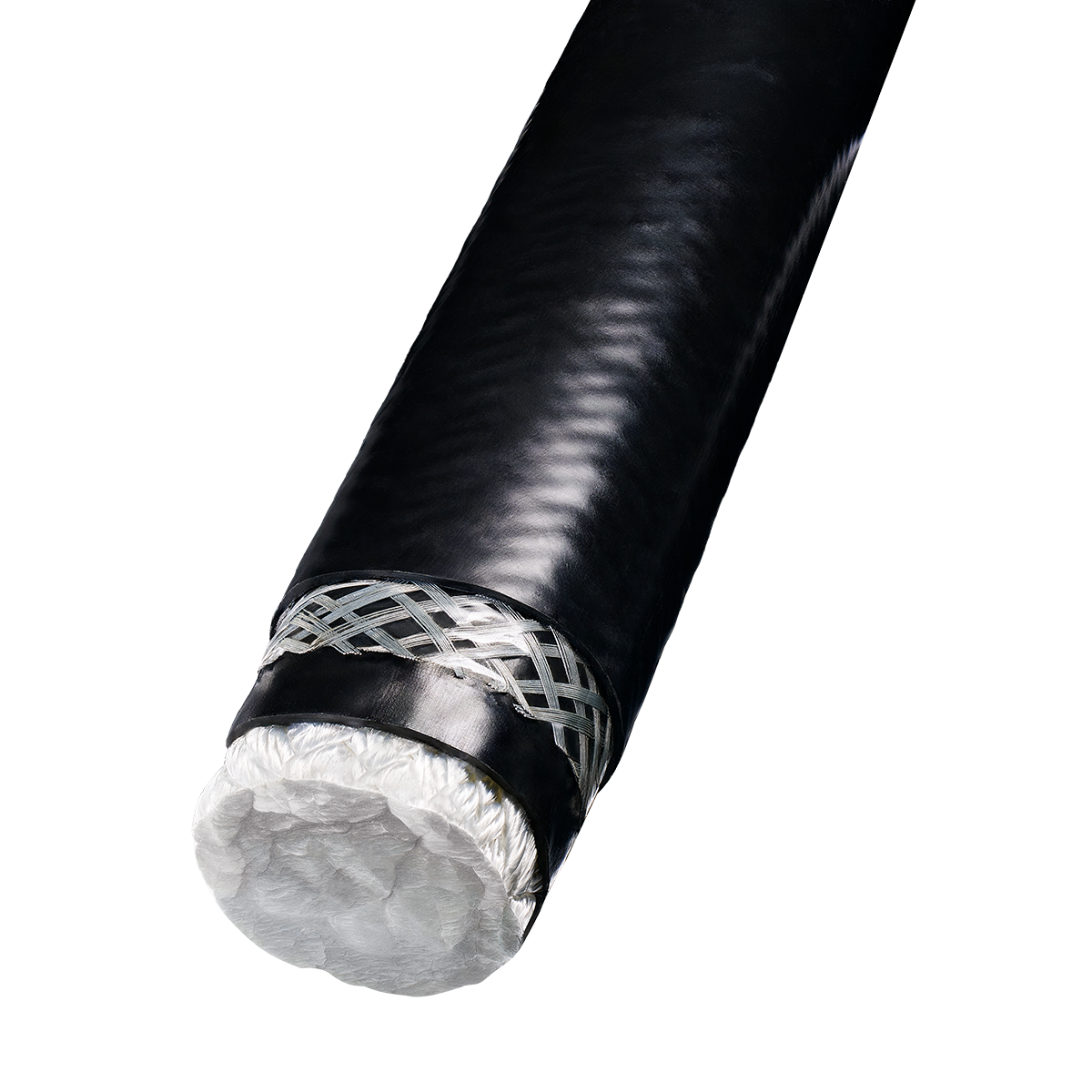
**Maximum available length depends on total weight limitations.
Hien Electric Industries, Ltd. does not rent, sell, or share your personal information with other people or non-affiliated companies except to provide products or services you've requested.
